
Found the Davey PDF From "DOC"
Also I still like these guys and there Little movie
HEATRESONATOR..HEATSTEAM RESONATOR TEST FOR HOME HEATING BOILER ..STAN MEYER STYL ... - YouTube
Chet
-
Core was the most recent
RE: Davey
Member "Core"
Posted a vid here with some impressive boiling Action recently!
We had another member from Overunity who did a very extensive replication with a very good PDF
He spent Thousands of dollars and hundreds of hours!
I think he has the link "Doc" something's Place" at the bottom of his posts??
{i'll remember it ] any how He had all the aggressive instant Boiling but in the end no OU!
I Must say this was also tried I believe By Mr.C ,who later came along with His Sonic "Tesla" version .
ChetLeave a comment:
-
Happy New Year Professor and All ...let's make this year; a year to rememberOriginally posted by PhysicsProf View Post
Don't Worry | Playing For Change | Song Around the World - YouTube

Leave a comment:
-
Thanks for the reply, Cherryman, very encouraging:
A cop of about 2 is very impressive for the bath; would be interested in what you get for the "glass top open container".Actually I tried that more or less. Putting it in a glass top open container and inside the filled bath. As suspected it boiled much sooner, giving the top layer of the bath water a very quick temperature rise. I tried out different debts, did some basic readings, but not long enough for power consumption, more a quick test to see major differences.
The amp draw very's a lot with temp, so does the effectivity. I guess in the long run it will deliver a sweet spot for the flow-rate of new "cold" water into the system, related to that the design, (Funnel, pipe, beker etc ) or maybe a working fluid separate from the "stuff" you want to heat.
During my bath test I got some peak wattage of over 3000...
Is the 3000 W for the heating in the water (output), or the input to your heater?
Can you remind us (me) -- which DESIGN are you using here, for your heater? 220V? Any kind of FREQUENCY tuning?
Cool video!
Thanks!Last edited by PhysicsProf; 12-31-2011, 08:47 PM.Leave a comment:
-
Just now, for this thread:
The 1 member would be me, and I'm feeling outnumbered!Currently Active Users Viewing This Thread: 12 (1 members and 11 guests)
Welcome, Guests! now how about contributing? just a suggestion.

2012 will be AWESOME... in more ways than one!Leave a comment:
-
Ok, now I understand what you meant by wound in opposite directions on the caduceus. I think I'll pick up some smaller wire today and start over, the wire I'm using is just to hard to work with, thanks KenLeave a comment:
-
I thought this might interest you...
interesting coincidence from http://www.energeticforum.com/psychi...tml#post173573 ...look at the pattern design on the snake's body

Caduceus on a snake


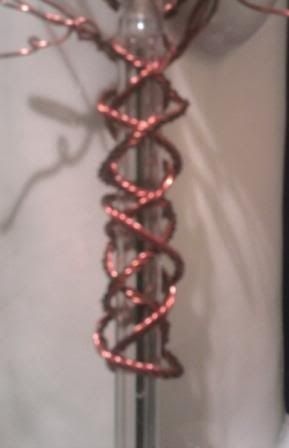

the interesting fact is that when you make a Mobius wire one side looks like the head of a snake (two oval endings, you can see it in the right side of the last pic )) ....and the other end is a an oval ending with 2 wires coming out

Leave a comment:
-
The mobius and caduceus look correctly wound...one remark ...I see the orange coil and the red coil wound in the same direction
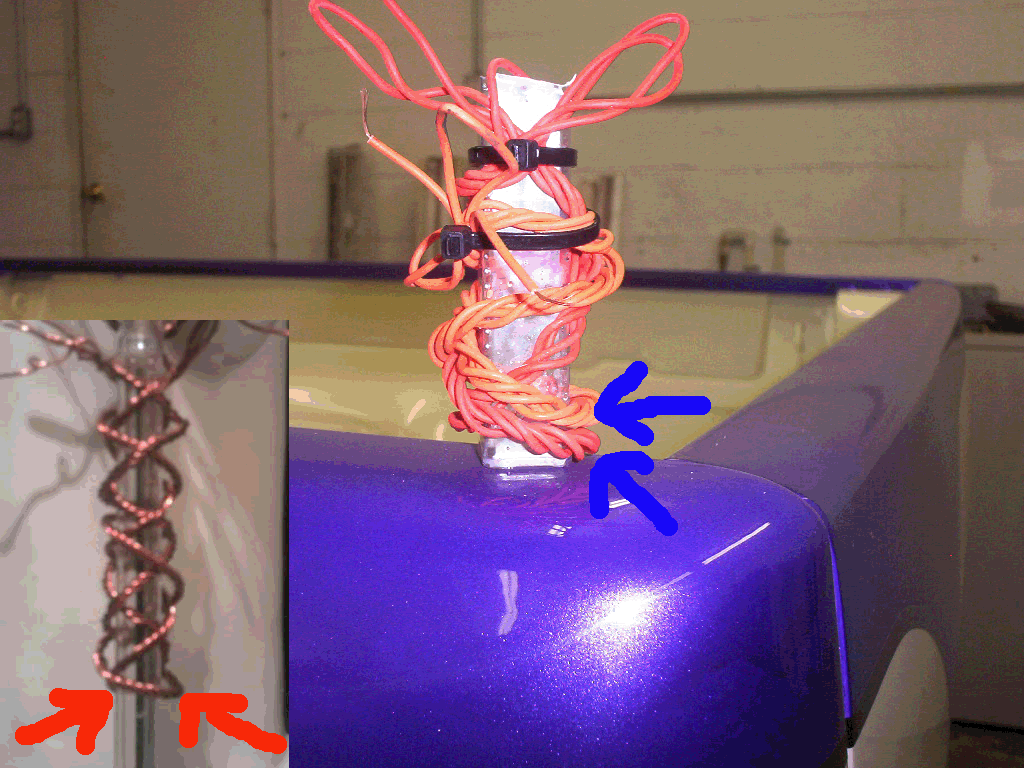
otherwise everything else is correct...when you get the set up running...you may switch the end that is in the tube and the end in the glass...to test which end gives you results
If the wires are too thick...you may want to start with transformer copper wires just be careful not to scratch the insulation...
as you can see in the image ..with the copper wires i got them to coil around a pen several times
Last edited by MonsieurM; 12-31-2011, 10:51 AM.Leave a comment:
-
Gordon, here's a pic of my coil wound the way you said. Red wire is going into tube, orange wire going into glass (not pictured) the other ends of the wire are hooked to 220, (110 running into each wire) I'm still not getting any reaction.
I'm not using any acid and both tube and cup are plastic. I also notice my coils are not wrapped as tight as yours, suggestions?
[IMG]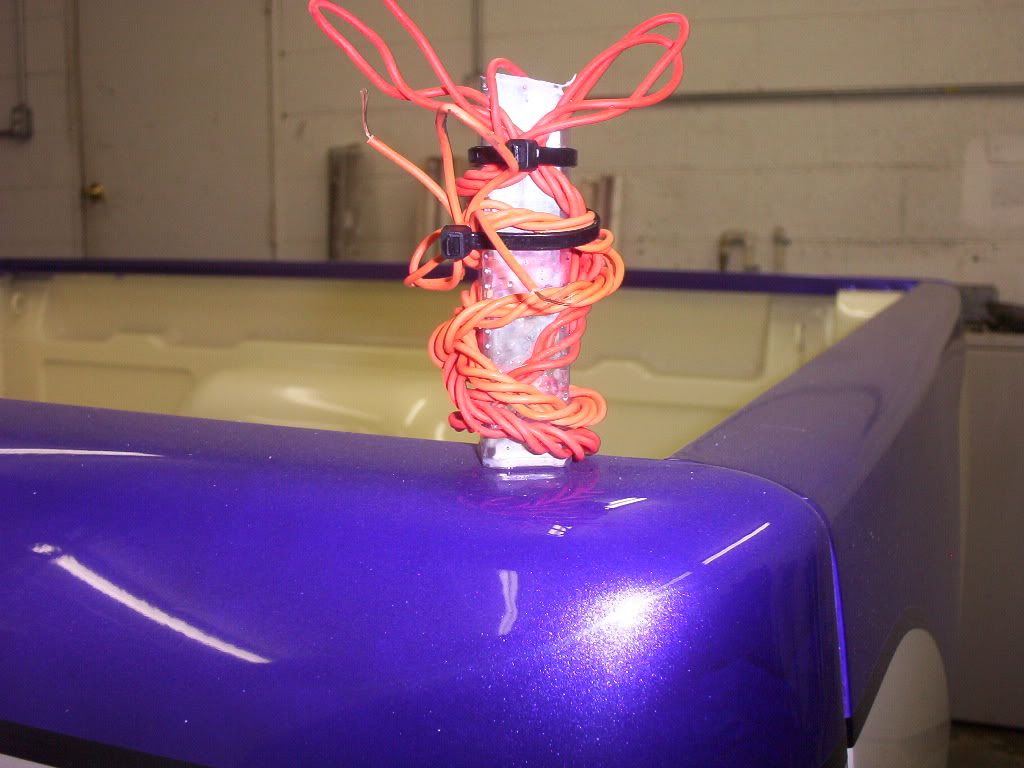 [/IMG]
Leave a comment:
-
If you imply outside the bath? Or inside the bath but partly isolated? Actually I tried that more or less. Putting it in a glass top open container and inside the filled bath. As suspected it boiled much sooner, giving the top layer of the bath water a very quick temperature rise. I tried out different debts, did some basic readings, but not long enough for power consumption, more a quick test to see major differences.Originally posted by PhysicsProf View Post
The amp draw very's a lot with temp, so does the effectivity. I guess in the long run it will deliver a sweet spot for the flow-rate of new "cold" water into the system, related to that the design, (Funnel, pipe, beker etc ) or maybe a working fluid separate from the "stuff" you want to heat.
During my bath test I got some peak wattage of over 3000
In the past few days I did some boiling observations:
- After the heating up and reaching boiling temp; So far I have seen three "different" boiling stages:
1- Normal boiling, medium sized air-bubbles coming up, taking water along and causing a little stir ( Just as you see in a cooking pan)
2- "Tiny" boiling, lots of small air bubbles coming up, creating a kind of "foam" like bubble layer, quickly dis-appearing. Top layer almost flat
3- No visible air bubbles, but large upward water movement. Almost "aggressive" the water is coming up like large "water bubbles".
I have to admit I have never studied boiling water before so it might be all normal. Just reporting things I see.Leave a comment:
-
Here is a crude analyse of my beer can.
Can is not adjusted yet but here is interesting effect. Peak frequency computed by program is 52.73Hz while I see almost flat thick peak from 46 up to 53 Hz. More interesting is that peaks at 200Hz and 400Hz (well, slightly near thos values) are very sharp.
Question for Mr "C" : how should peak at 50Hz looks like ? Thick and flat or very sharp rather ?Leave a comment:
 Thanks again...also one more advise...you may want to make a few replicas of the set up to test out....
Leave a comment: