
 Tweet
Tweet
Static fields
Hello Gambeir,
Here are a few interesting answers to a question.
Above quotes from: https://www.quora.com/Does-a-static-...magnetic-field
When the fellow doing your experiment bought the magnet, it came with the magnetic field (static, nonmoving relative to the magnet). He then places the magnet, and its static field into the tank. The magnetic field in and around the magnet may have been altered slightly due to the metal at the base and the permeability of the liquid, but is again static. Once charges begin to move in the static magnetic field, Lorentz forces are imparted on those charges. The charges had an initial motion upwards and the magnetic field causes a circular motion, together appearing as a upward moving helix.
Of course there is a reaction force on the magnetic field and hence the magnet, but the friction at the magnet base prevents counter-rotation of the magnet. This is no different than a motor having a permanent magnet frame (stator) and a wound armature (rotor). The magnets in the frame establish a static magnetic field in which the armature carries charges as current, perpendicular to the field. The resulting forces on the moving charges cause the torque, relative rotor to stator. That's why the motor stator will have a flange or mounting bracket; to keep the magnetic field static (stationary).
So what you witness in the experiment is simple electric motor action.
From Wikipedia, magnetic field.
From:

From: Electromagnetic Fields: 8. Static magnetic fields like those used in medical imaging
Regards,
bi
Hello Gambeir,
Here are a few interesting answers to a question.
Above quotes from: https://www.quora.com/Does-a-static-...magnetic-field
When the fellow doing your experiment bought the magnet, it came with the magnetic field (static, nonmoving relative to the magnet). He then places the magnet, and its static field into the tank. The magnetic field in and around the magnet may have been altered slightly due to the metal at the base and the permeability of the liquid, but is again static. Once charges begin to move in the static magnetic field, Lorentz forces are imparted on those charges. The charges had an initial motion upwards and the magnetic field causes a circular motion, together appearing as a upward moving helix.
Of course there is a reaction force on the magnetic field and hence the magnet, but the friction at the magnet base prevents counter-rotation of the magnet. This is no different than a motor having a permanent magnet frame (stator) and a wound armature (rotor). The magnets in the frame establish a static magnetic field in which the armature carries charges as current, perpendicular to the field. The resulting forces on the moving charges cause the torque, relative rotor to stator. That's why the motor stator will have a flange or mounting bracket; to keep the magnetic field static (stationary).
So what you witness in the experiment is simple electric motor action.
When a charged particle moves in a static magnetic field, it traces a helical path in which the helix axis is parallel to the magnetic field, and in which the speed of the .
From:
MRI scanners use static magnetic fields
Credit: Kasuga Huang
A magnetic field is a force field created by a magnet or as a consequence of the movement of the charges (flow of electricity). The magnitude (intensity) of a magnetic field is usually measured in Tesla (T or mT).
Static magnetic fields do not vary over time, and as such do not have a frequency (0 Hz). Examples are the fields generated by a permanent magnet or the Earth’s magnetic field.
Credit: Kasuga Huang
A magnetic field is a force field created by a magnet or as a consequence of the movement of the charges (flow of electricity). The magnitude (intensity) of a magnetic field is usually measured in Tesla (T or mT).
Static magnetic fields do not vary over time, and as such do not have a frequency (0 Hz). Examples are the fields generated by a permanent magnet or the Earth’s magnetic field.
Regards,
bi

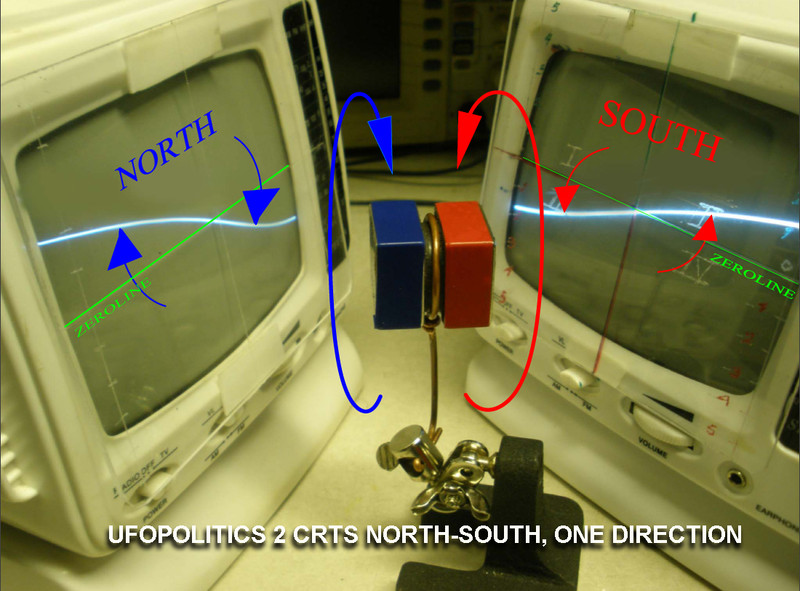


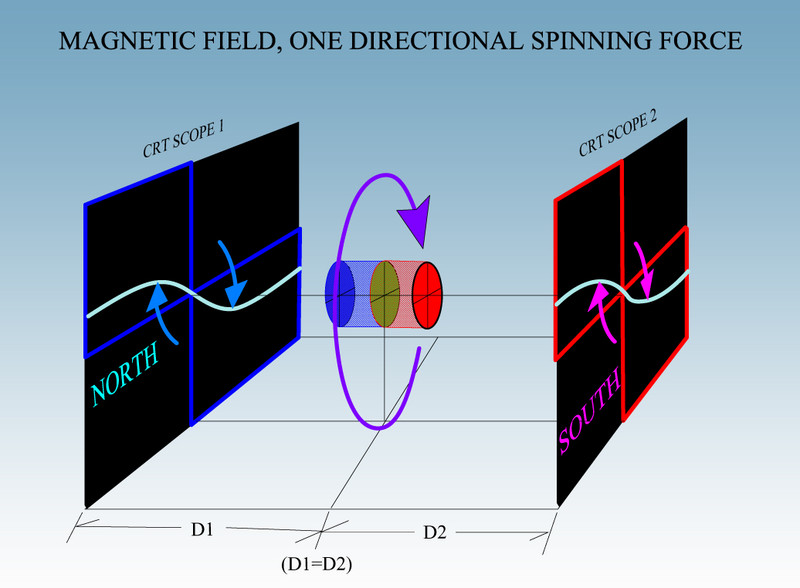
 :
:

 ) that:
 ) have two hemispheres? why our heart has two hemispheres why all spores have two hemispheres? why why why?...because all are magnetic dipole manifestations, thus two hemispheres of condensed energy.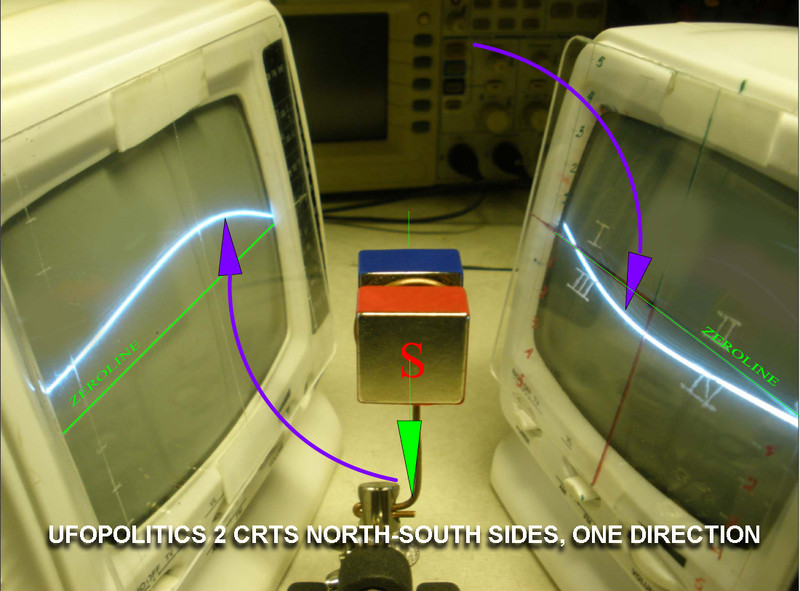
Comment